Why eating peanut butter before bed might be a smart (and tasty) health move
04/14/2026 / By Laura Harris
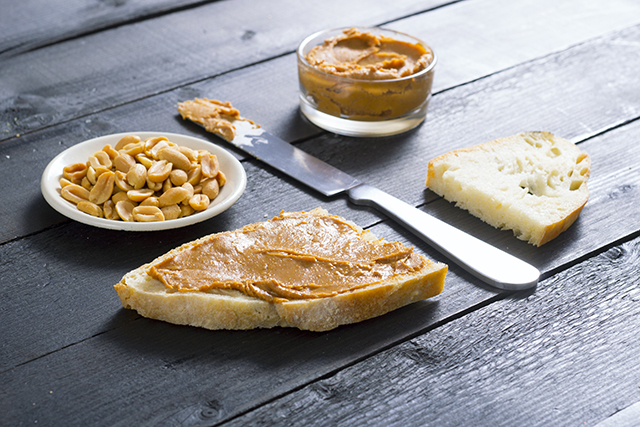
Creamy, smooth and naturally sweet, peanut butter is one of those foods that feels indulgent yet delivers real nutritional value. While it’s often enjoyed at breakfast or as a midday snack, eating peanut butter before bed can actually offer several surprising health benefits. Contrary to popular belief, a small serving at night won’t automatically lead to weight gain – especially when eaten in moderation. In fact, it may support better sleep, reduce cravings and even help with muscle recovery.
Supports healthy weight management
Despite its calorie density, peanut butter can fit into a balanced diet aimed at weight control. Research published in The American Journal of Clinical Nutrition suggests that regular nut consumption is not associated with weight gain. In fact, women who eat nuts frequently may have a lower risk of gaining weight over time.
Peanut butter contains a combination of healthy fats, protein and fiber, all of which contribute to feelings of fullness. This satiety can help prevent overeating, especially late at night when unhealthy snacking tends to occur.
May help you sleep better
If you struggle with falling asleep, peanut butter might be a simple addition to your nighttime routine. It contains tryptophan, an essential amino acid that plays a role in producing serotonin – a neurotransmitter that promotes relaxation and sleep.
When paired with carbohydrates, tryptophan becomes more available to the brain. Peanut butter naturally contains both protein and some carbohydrates, making it a convenient option. Eating it with whole-grain crackers or toast can further enhance its sleep-supporting effects by boosting insulin levels, which helps tryptophan cross into the brain more efficiently.
Reduces late-night cravings
Late-night hunger can lead to poor food choices and excess calorie intake. Choosing a nutrient-dense snack like peanut butter can help you avoid reaching for sugary or processed foods.
A tablespoon or two of peanut butter (around 188 calories) provides protein and a small amount of fiber, helping you feel satisfied without overloading on calories. Protein also influences hunger-regulating hormones, reducing the urge to keep snacking. Pairing peanut butter with whole grains or fruit creates a balanced snack that keeps cravings in check.
Aids muscle recovery and growth
For those focused on fitness or muscle building, a bedtime snack that includes protein can be especially beneficial. During sleep, the body releases growth hormones that help repair and build muscle tissue. Providing your body with protein before bed ensures that amino acids are available during this critical recovery period.
Studies published in Medicine & Science in Sports & Exercise and the Journal of Nutrition have shown that consuming protein before sleep can improve muscle recovery, strength and overall muscle growth. While peanut butter alone may not provide as much protein as a dedicated supplement, it still contributes to your daily protein intake and can support overnight muscle repair when combined with other protein sources.
Healthy ways to enjoy peanut butter at night
There are plenty of simple and nutritious ways to include peanut butter in your evening routine:
- Spread it on whole-grain toast or crackers
- Pair it with apple slices or banana halves
- Add it to oatmeal or yogurt
- Use it as a dip for celery or pretzels
- Make a healthier peanut butter sandwich using whole-grain bread and natural sweeteners like honey or fruit
These combinations provide a balance of carbohydrates, protein, and healthy fats – ideal for a satisfying bedtime snack.
Final thoughts
Eating peanut butter before bed can be a smart addition to your routine when done in moderation. It may support better sleep, reduce nighttime cravings, assist with weight management and even promote muscle recovery. However, portion control is key. Stick to one to two tablespoons and avoid varieties loaded with added sugar, salt or hydrogenated oils.
Opt for natural, unsweetened peanut butter with minimal ingredients to maximize its health benefits. BrightU.AI‘s Enoch noted that when enjoyed as part of a balanced diet, this humble spread can do much more than satisfy your taste buds – it can help support your overall well-being, even while you sleep.
Watch this video to learn about the reasons why you should eat a handful of peanuts every day.
This video is from the Quick Treatment, Fast Result channel on Brighteon.com.
Sources include:
Submit a correction >>
Tagged Under:
This article may contain statements that reflect the opinion of the author
RECENT NEWS & ARTICLES